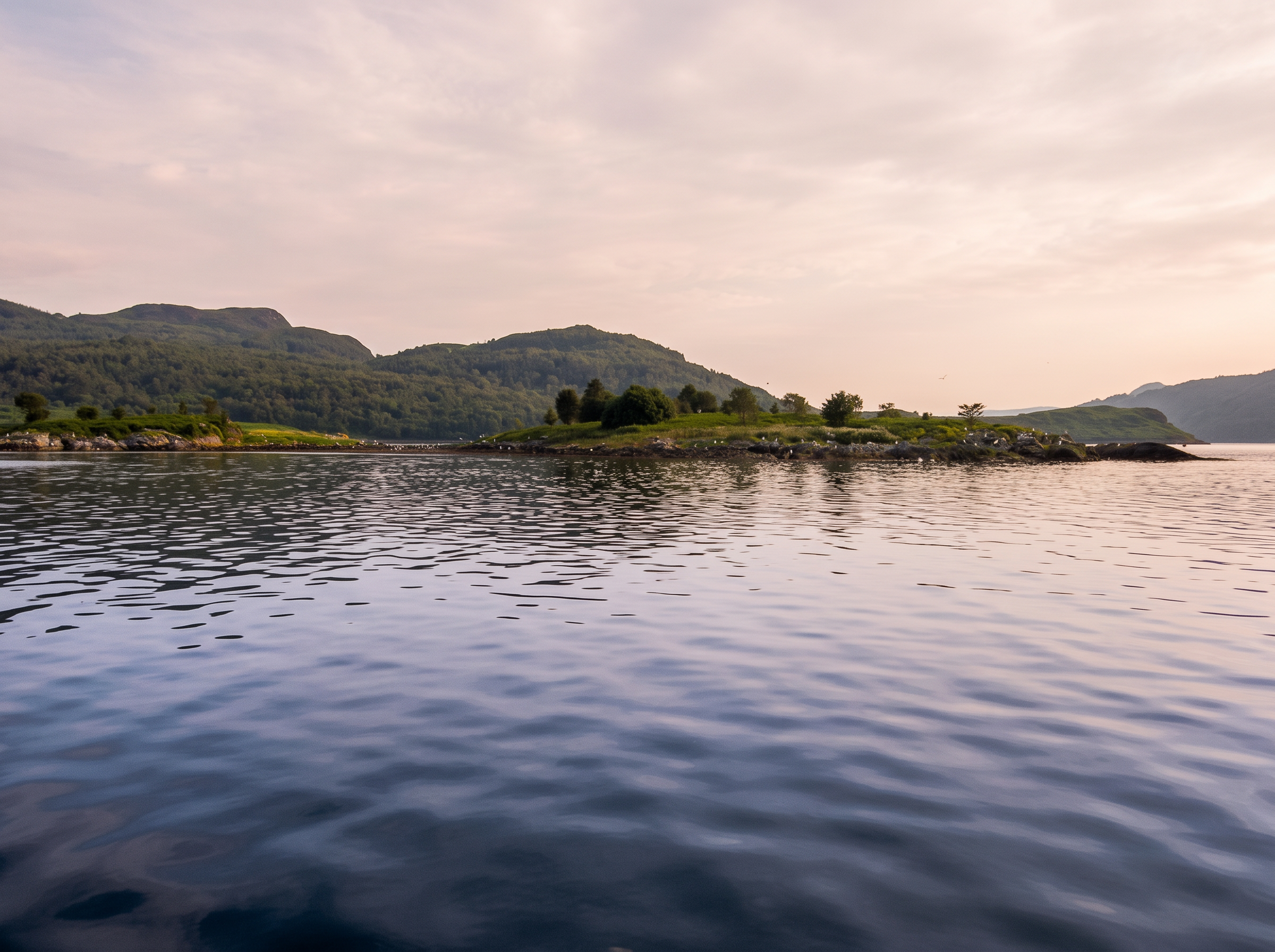
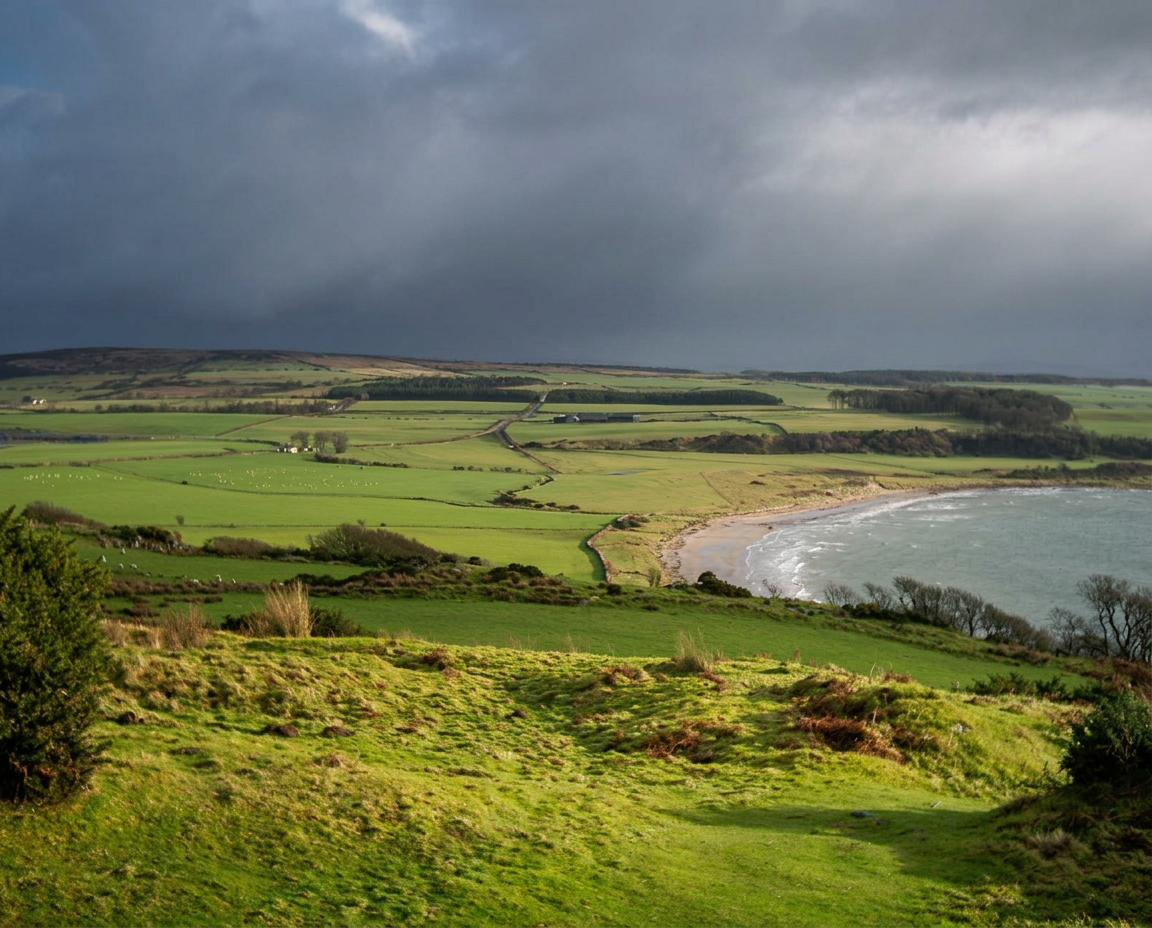
Seals hauled out on rocks below Scalpsie Bay, Isle of Bute
Things to do / Wildlife

Wildlife on Bute — seals at Scalpsie, otters at dawn, harriers over the moor.

Bute sits in the middle of the Firth of Clyde with sea on every side, a spine of moorland down the centre and old estate woodland in the south. That mix, plus the happy absence of grey squirrels, makes it one of the easiest islands in Scotland for casual wildlife watching — no boat trip required. Here is what you can realistically see, where to stand, and when to go.

01

Seals at Scalpsie Bay

The colony below Scalpsie Bay is Bute's wildlife set-piece. A signposted viewpoint on the A844 between Straad and Kingarth looks down over a sweep of sand and low skerries where both common (harbour) seals and larger grey seals haul out to rest and moult. On a good day you can count dozens.

Timing matters more than luck: come on a falling or low tide in daylight, when the rocks are exposed and dry. Calm, bright weather brings out the biggest groups; heavy rain and high water leave you looking at empty sea. Binoculars turn the visit from 'grey lumps' into faces, yawns and squabbles.

Watch from the viewpoint or the upper beach. If heads start lifting and animals shuffle toward the water you are too close — step back and they resettle within minutes. Dogs on leads here, always.

Where
Scalpsie Bay viewpoint, A844
Best tide
Falling to low
Species
Common and grey seals
Kit
Binoculars, windproof layer
Shoreline and skerries on the west coast of Bute
02

Otters, porpoise and the wider Firth

Otters work the whole coastline and are seen most often in the first and last hour of daylight, on a rising tide, along quiet shores: the Kyles side near Rhubodach, Ardbeg and Ardmaleish point, the shore at Kilchattan Bay. Look for a low, sinuous shape and a chain of bubbles rather than a splash.

Harbour porpoise are common in the Firth and the narrows of the Kyles — the CalMac crossings from Wemyss Bay and Colintraive are both decent free viewing platforms in flat conditions. Late summer adds common dolphins and, in some years, basking sharks and minke whales further out toward Arran.

Along the shore itself: eider and red-breasted merganser bobbing offshore, oystercatchers piping over the shingle, gannets diving beyond the bays, and herons standing sentry in the weed at Ettrick.

Otters
Dawn/dusk, rising tide
Porpoise
Calm days, Kyles and ferry
Late summer
Dolphins, basking sharks
Moorland path across the centre of the Isle of Bute
03

Birds of moor, wood and loch

Buzzards are everywhere — mewing over the farmland along the A844 — and ravens work the higher ground. On the central moor above Loch Fad and around the West Island Way, hen harriers hunt low and slow in spring and summer, and short-eared owls occasionally do the same in daylight.

Loch Fad and Loch Ascog are the freshwater draw: greylag and Greenland white-fronted geese in winter, whooper swans passing through, little grebe and tufted duck, and reed buntings in the margins. Winter is genuinely good here, when the visitor numbers vanish and the birds arrive.

In the estate woodlands at Mount Stuart and Kean's Wood you get treecreepers, great spotted woodpeckers and — because Bute has no grey squirrels — red squirrels, which are far easier to see here than on the mainland. St Blane's in the south is a reliable spot for hovering kestrels and, in early summer, cuckoos calling across the glen.

04

Watching well — a short code

Stay on paths and use field edges; nearly all of Bute's farmland is working ground with sheep and cattle. Follow the Scottish Outdoor Access Code, close gates behind you and keep dogs on leads between April and July when ground-nesting birds and lambs are about.

Never approach hauled-out seals, seal pups on beaches in autumn, or nesting birds for a photograph. Distance plus binoculars gets you a better view than a closer, briefer one.

Best seasons: April to July for birdlife and the moor; June to September for cetaceans and calm sea; October to March for geese, swans and dramatic light. Seals are year-round residents and never let you down.

Walks that take in the seals and the moor