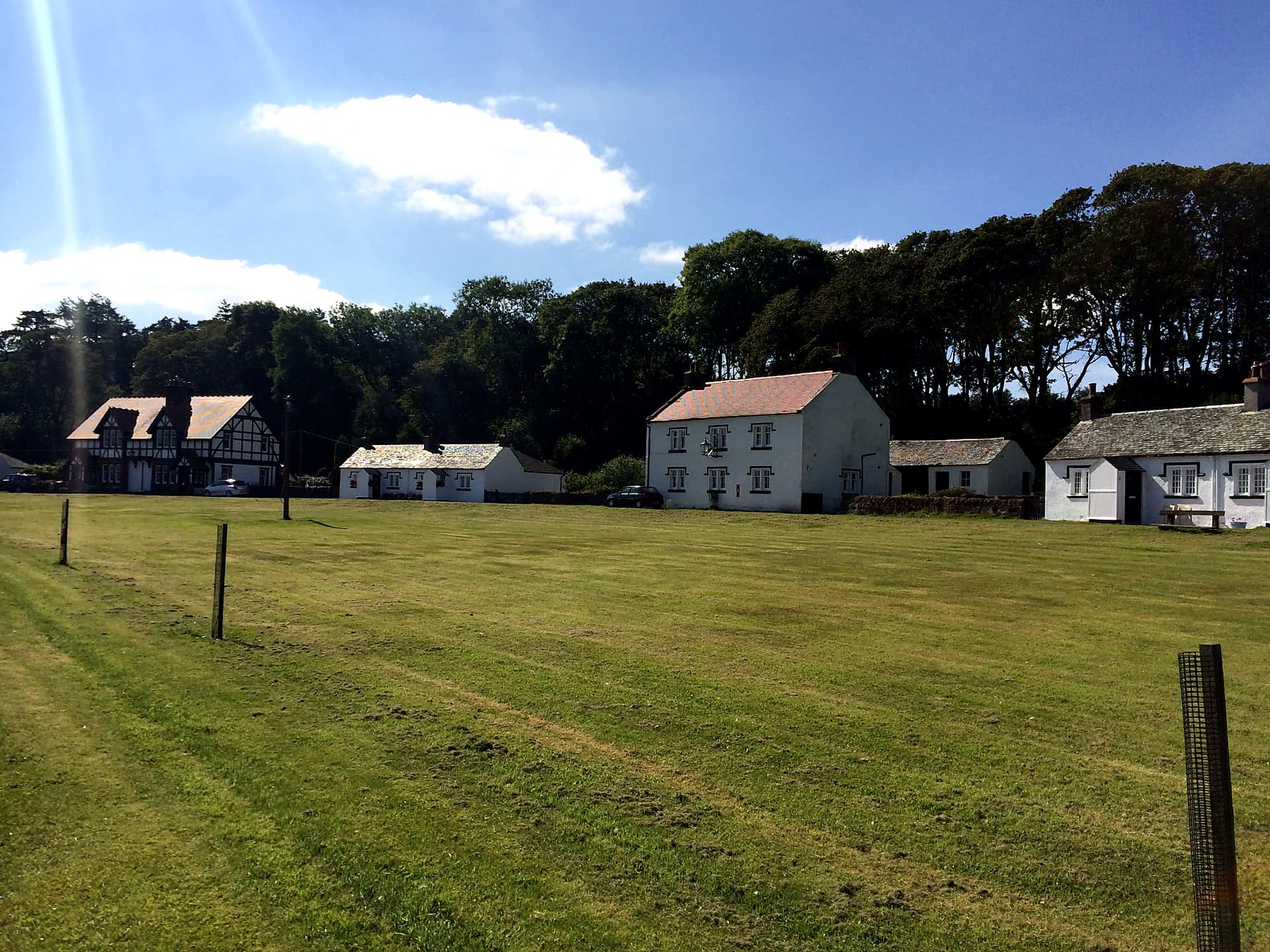
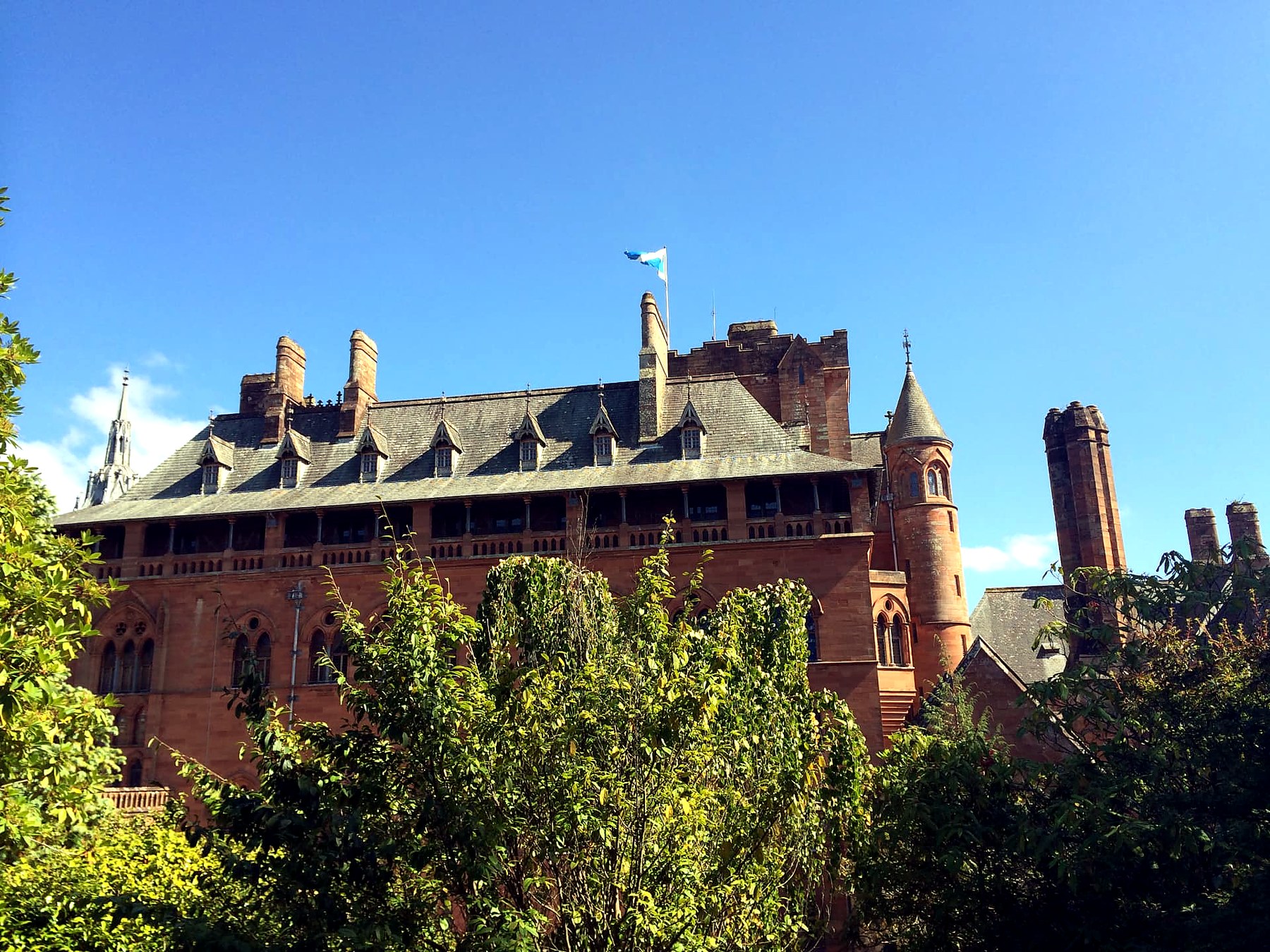
Mount Stuart House on the Isle of Bute
Places to see / Mount Stuart

Mount Stuart — the house that tried to hold the whole universe.

Five miles south of Rothesay, behind a long avenue of lime trees, stands one of the most ambitious houses ever built in Britain. Mount Stuart was the private obsession of John Patrick Crichton-Stuart, the 3rd Marquess of Bute — a scholar, translator and mystic who used red Arran sandstone, Italian marble and stained glass to write astronomy, astrology and medieval theology into the fabric of a family home. If you visit only one thing on Bute, visit this.

01

Why the house exists

The Stuarts of Bute have held land on the island since the 14th century, and the family's earlier Georgian house on the site was badly damaged by fire in 1877. Rather than restore it, the 3rd Marquess — then one of the wealthiest men in the world, thanks to the family's Cardiff docks — commissioned a wholly new house from the architect Robert Rowand Anderson, begun in 1879.

What Anderson and the Marquess produced is not a country house pretending to be a castle. It is a gothic revival cathedral to learning: a central Marble Hall rising through three storeys, arcades of Italian marble, and a vaulted ceiling of deep blue studded with the constellations and signs of the zodiac in stained glass, so that the night sky sits permanently above the stairs.
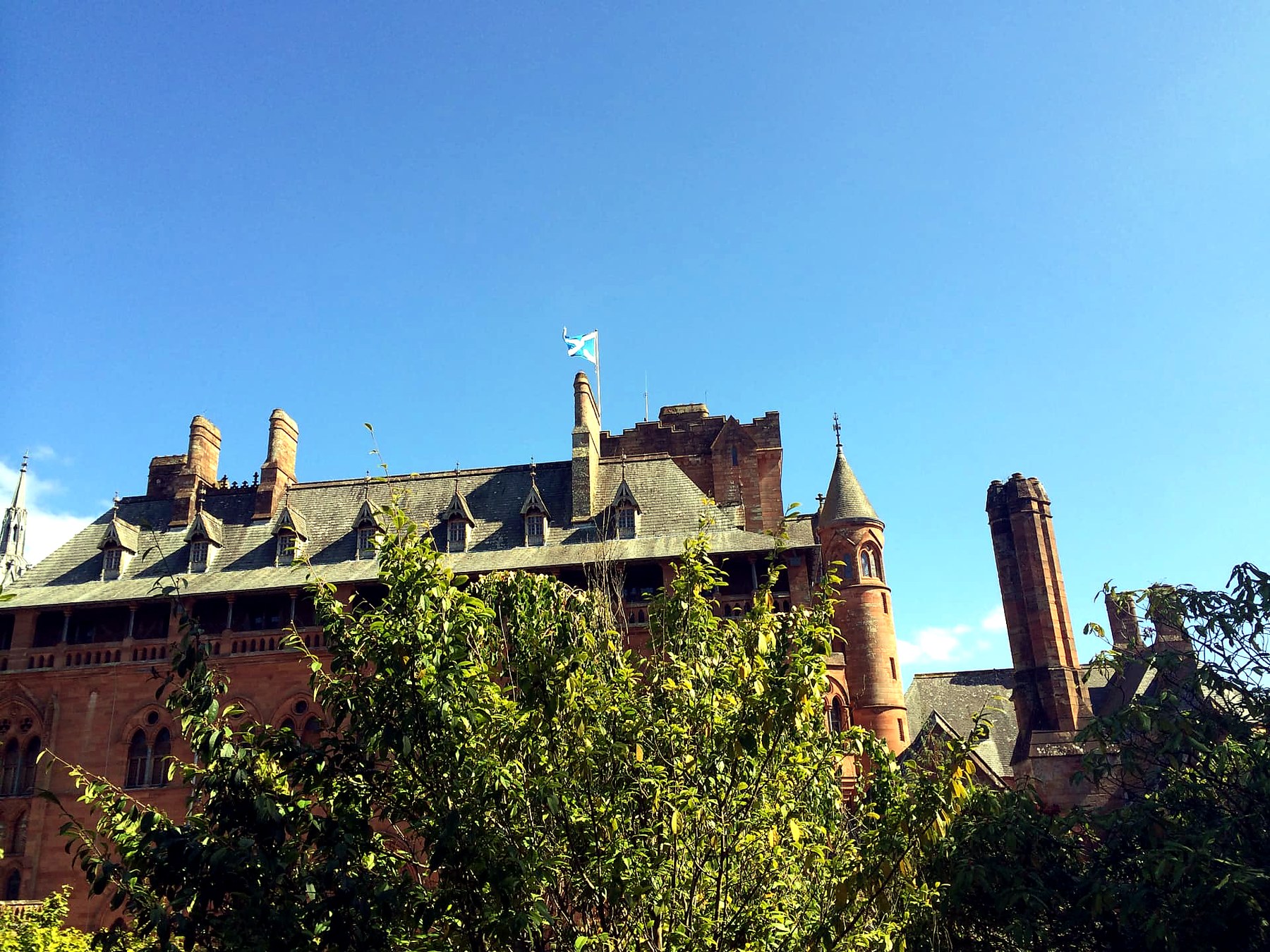
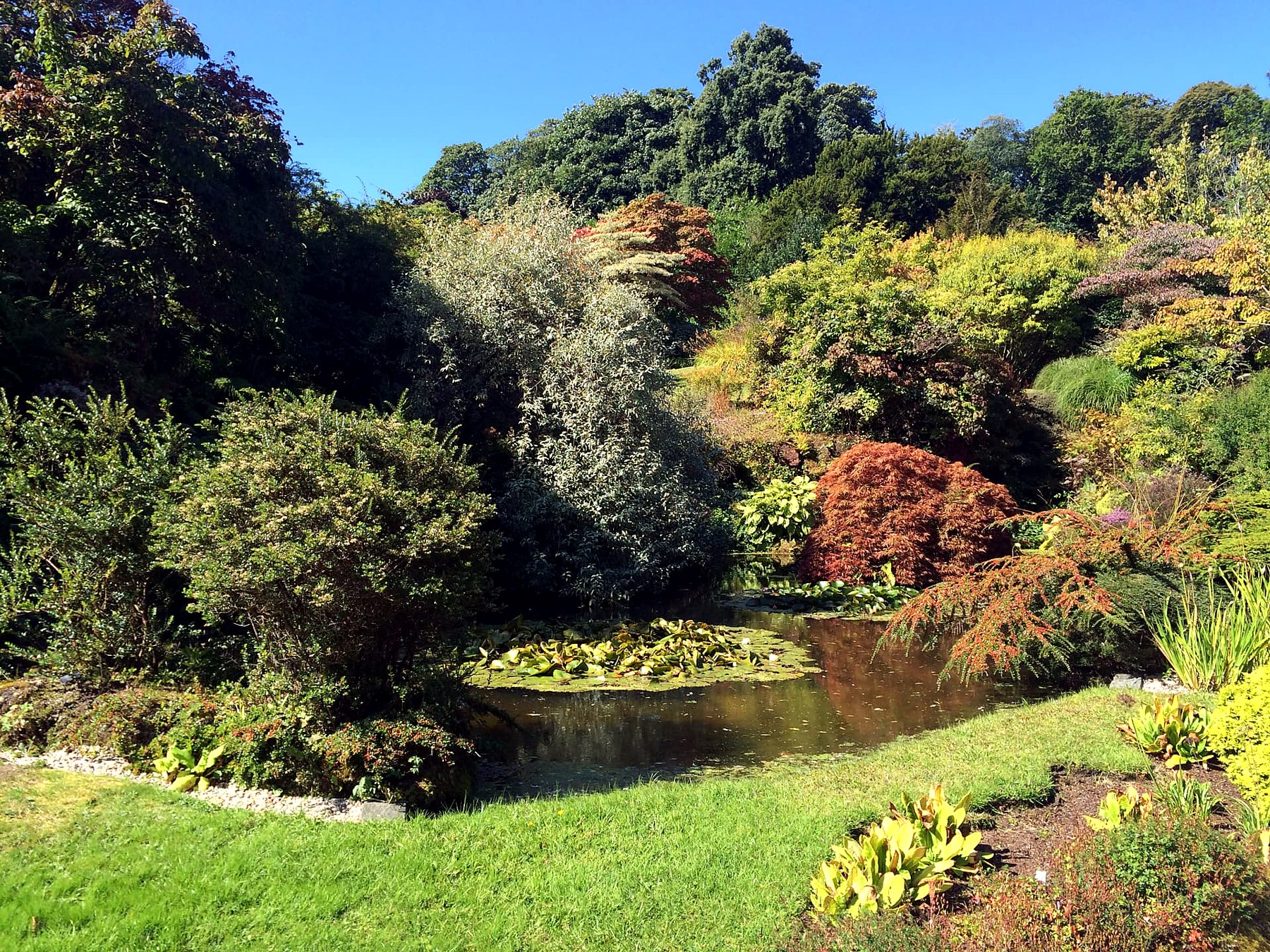
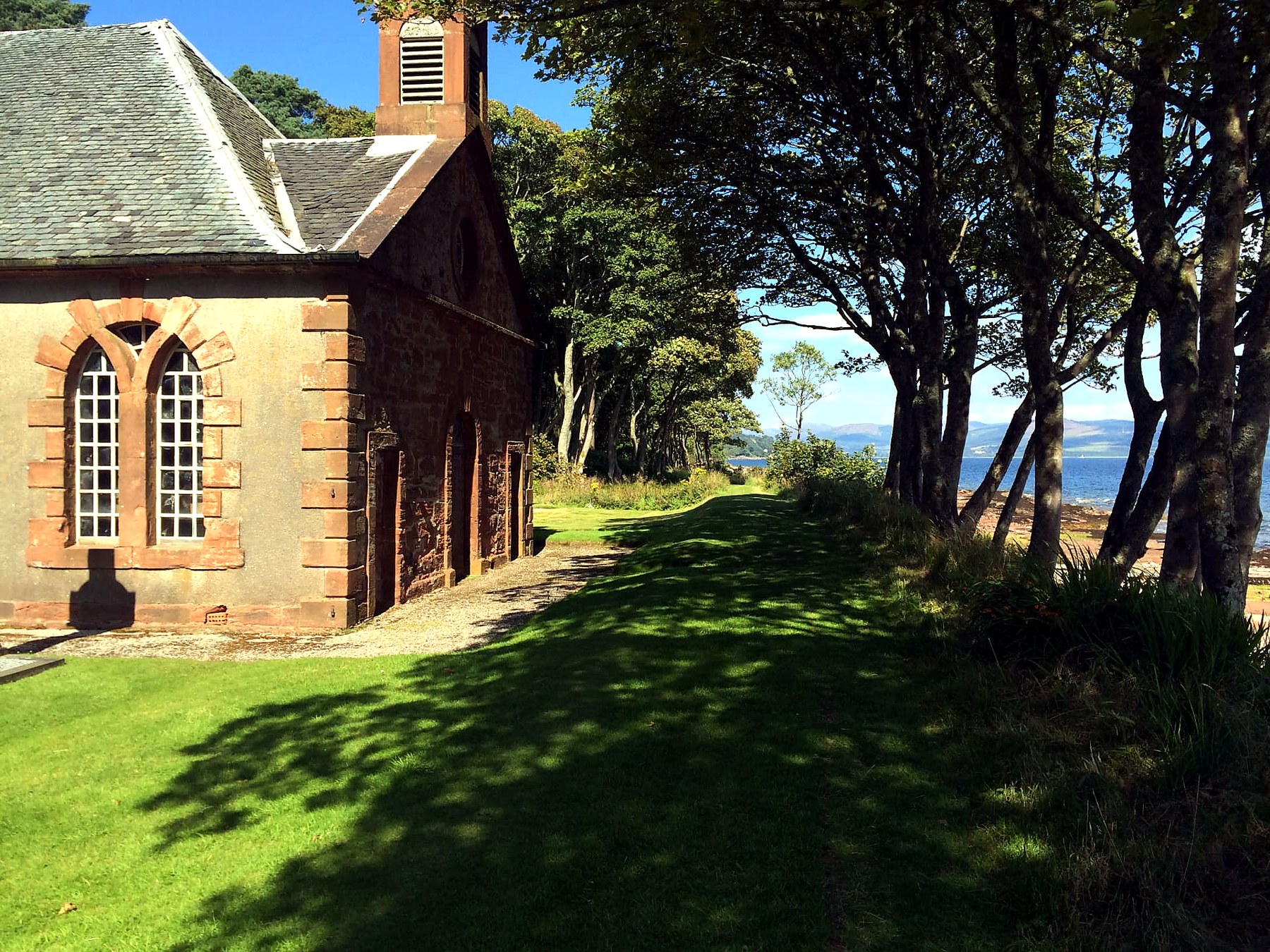
Historic stonework on the Isle of Bute
02

A Victorian house full of firsts

For all its medieval imagery, Mount Stuart was startlingly modern. It was among the earliest houses in Scotland designed with electric lighting, and it was fitted with central heating, an internal telephone system, a passenger lift and a heated indoor swimming pool — luxuries almost unheard of in a private home of the period.

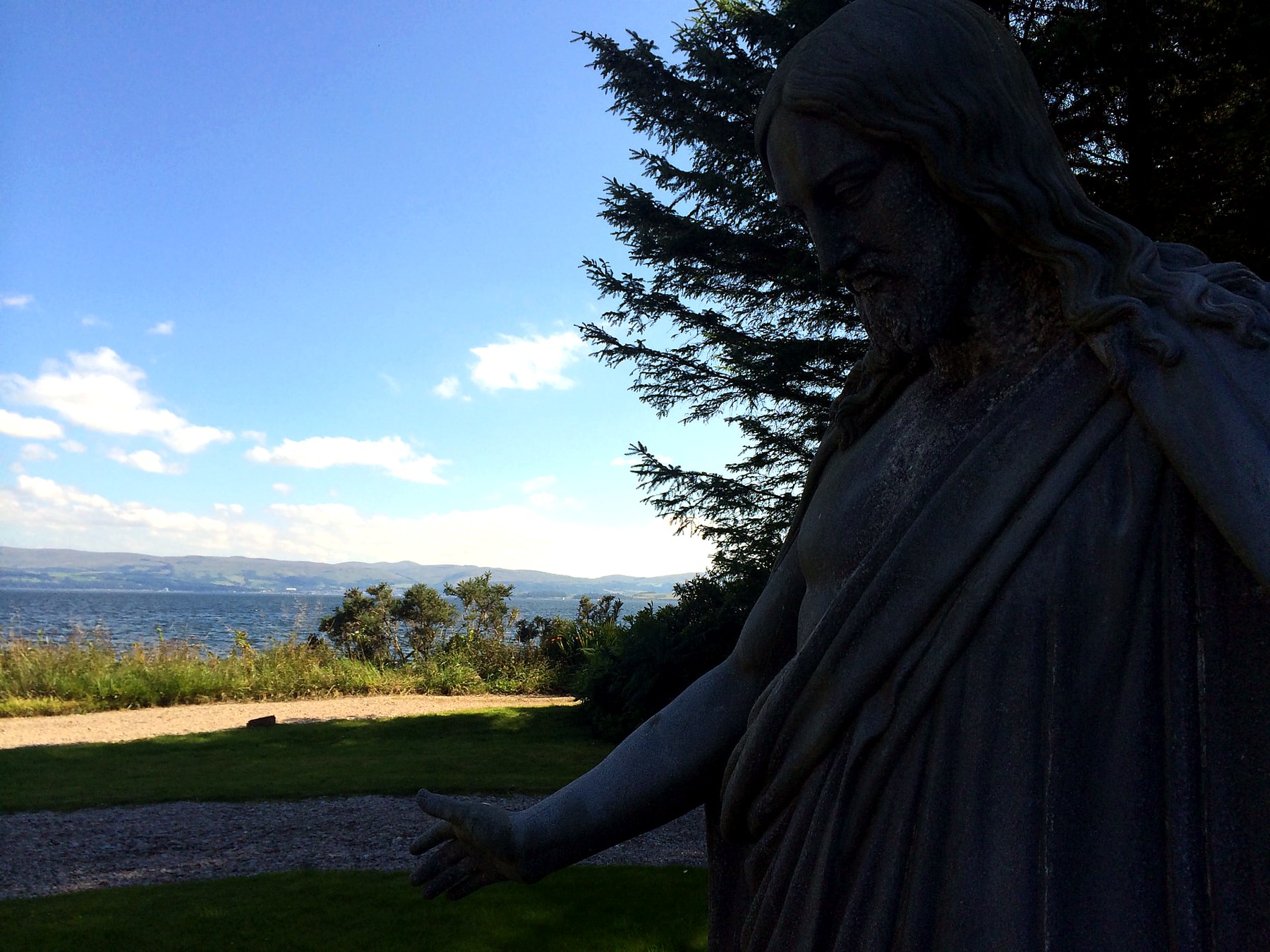
The Marble Chapel, in dazzling white Carrara marble lit from a central lantern, was built for the Marquess's Catholic faith and remains the emotional centre of the house. Elsewhere there are family portraits, a significant library, and rooms still very much in use by the Stuart family, who continue to live on the estate.

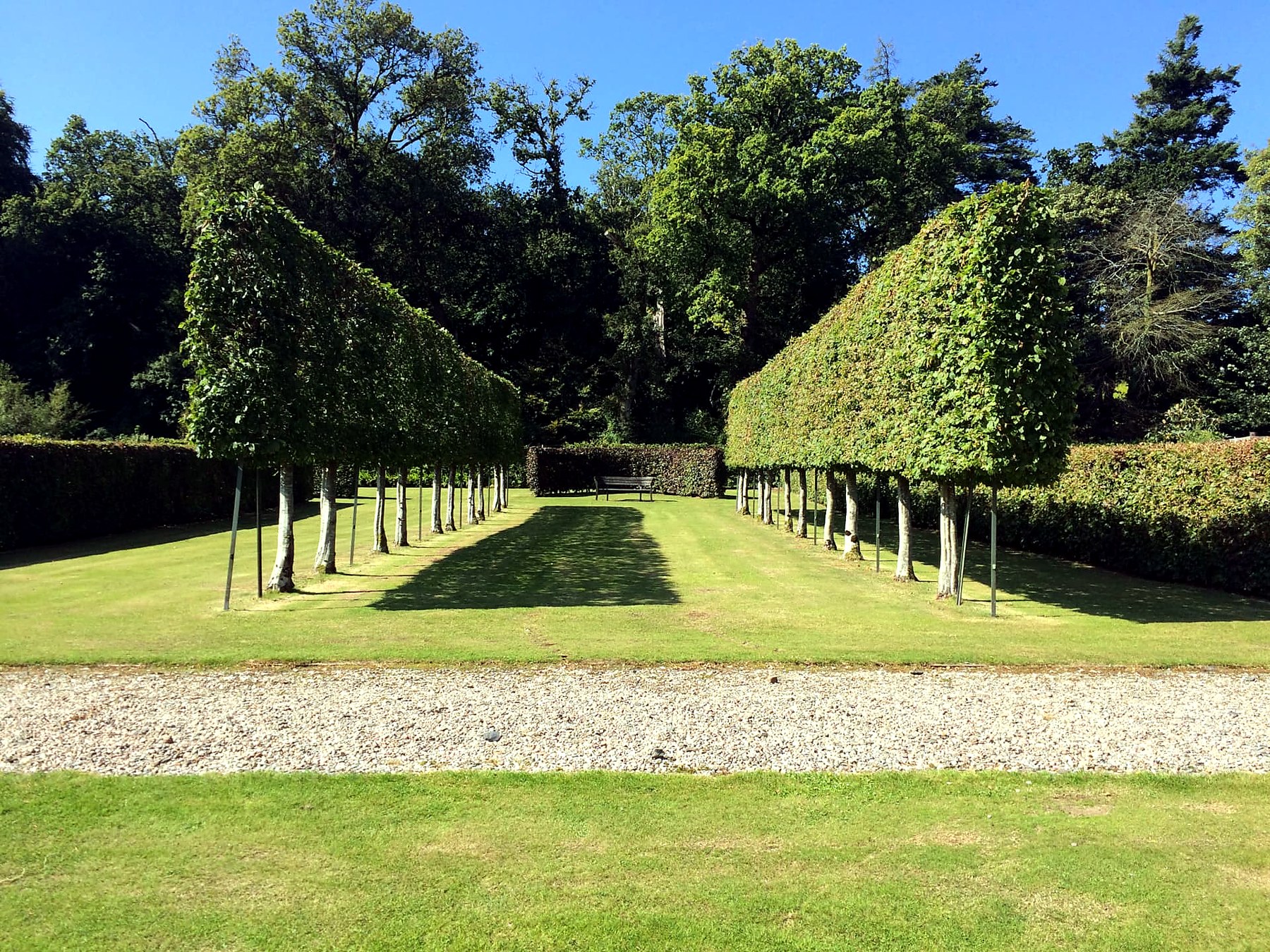
Woodland and coastal path on Bute
03

The gardens and 300 acres of grounds

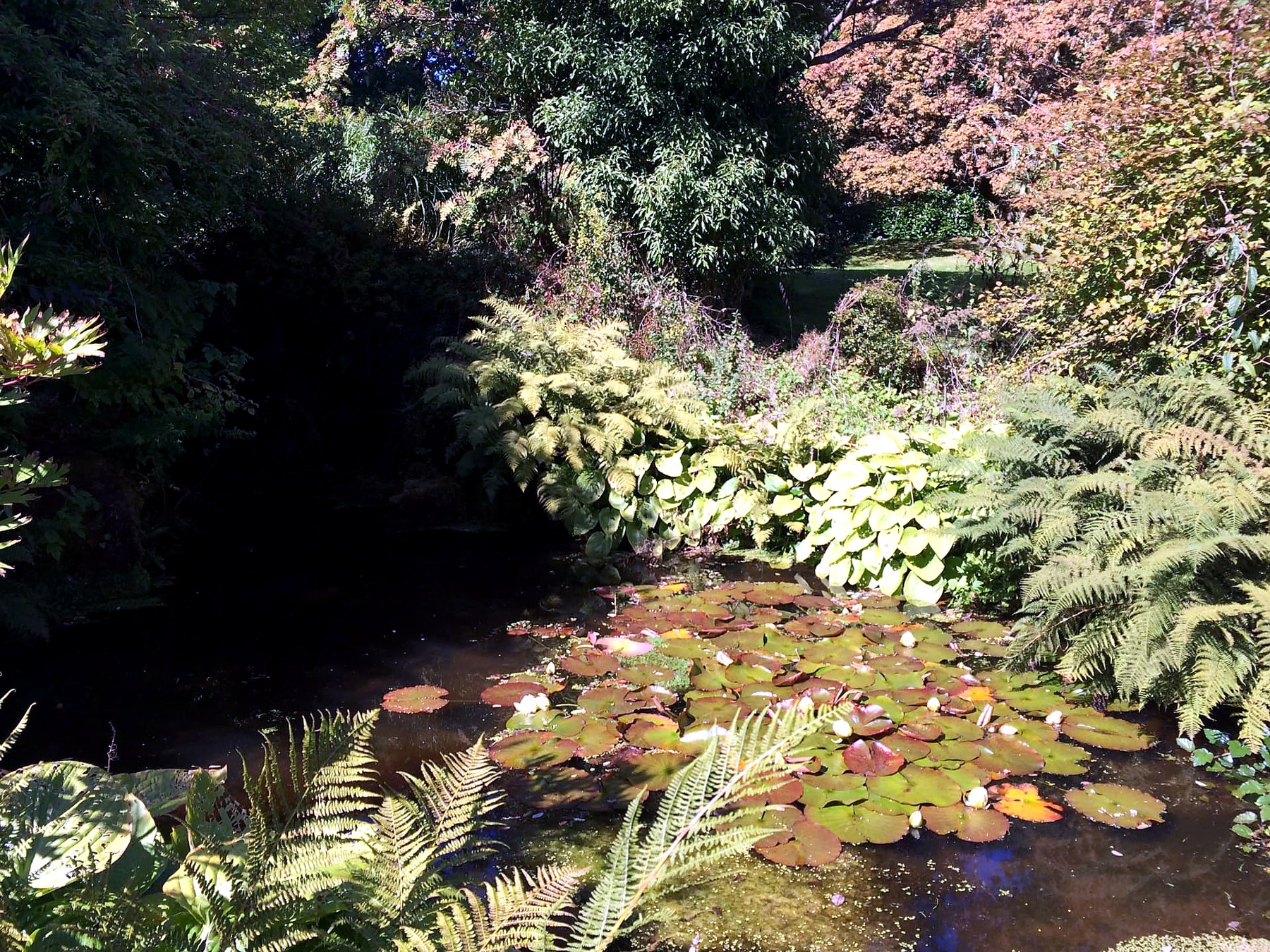
Many visitors are surprised that the grounds outshine the house for them. There are roughly 300 acres to walk: mature Victorian woodland, a shore path along the Firth of Clyde, the walled Kitchen Garden, the Wee Garden of tender exotics that thrive on the Gulf Stream air, a Rock Garden and a pinetum of enormous conifers.

Allow a full day if you can — a house tour, lunch, and then several hours outdoors. In spring the woodland is thick with bluebells and rhododendrons; in autumn the estate turns copper and the light off the water is extraordinary.

04

Practical visiting notes

Mount Stuart opens seasonally, typically from spring into autumn, with guided or self-guided access to the house at set times and longer opening for the gardens, visitor centre and café. Days and times vary year to year, so check the official site before you travel.

It sits about five miles south of Rothesay on the A844/A886 coast road — a 10-minute drive, a short local bus ride, or a pleasant cycle from the ferry pier. There is parking on site, and the visitor centre, café and much of the garden network are level and accessible.

Where
5 miles south of Rothesay
Built
From 1879
Architect
Robert Rowand Anderson
Grounds
About 300 acres
Season
Spring to autumn
Time needed
Half a day to a full day
mountstuart.com — opening times and tickets